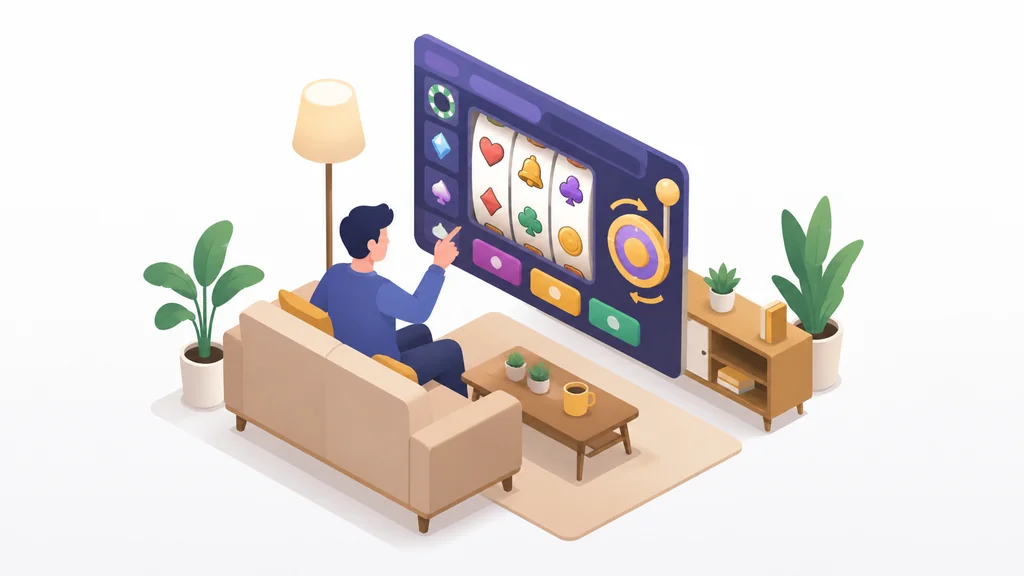
Casino demo mode is a free version of a real-money game that runs on virtual credits. It uses the same software, the same maths and the same paytable as the paid game, so you can see how a slot or table behaves without spending anything. What it cannot show you is how the game feels when the credits are yours, which is the part most players underestimate.
What Demo Mode Actually Is
A demo game is the production build of a title running in a free-play wrapper. The reels, the random number generator and the paytable are identical to the paid version. The only difference is the wallet behind it, which holds virtual credits instead of cash.
That distinction matters because it separates two questions people often blur together. One is “how does this game work”, and demo mode answers it completely. The other is “how will I behave while playing it”, and demo mode answers that only partly, because nothing is at stake.
Most titles from the big studios ship with a demo build. If you look at the range covered in this guide to top casino software providers, you will find that many major studios publish free versions of much of their catalogue. That is useful when you want to compare volatility across studios before committing a deposit.
Demo credits usually reset when you reload the page. Some builds refill automatically when the balance hits zero, others need a refresh. Check the label on the game screen if you want to know which one you are looking at.
What Free Play Genuinely Reveals
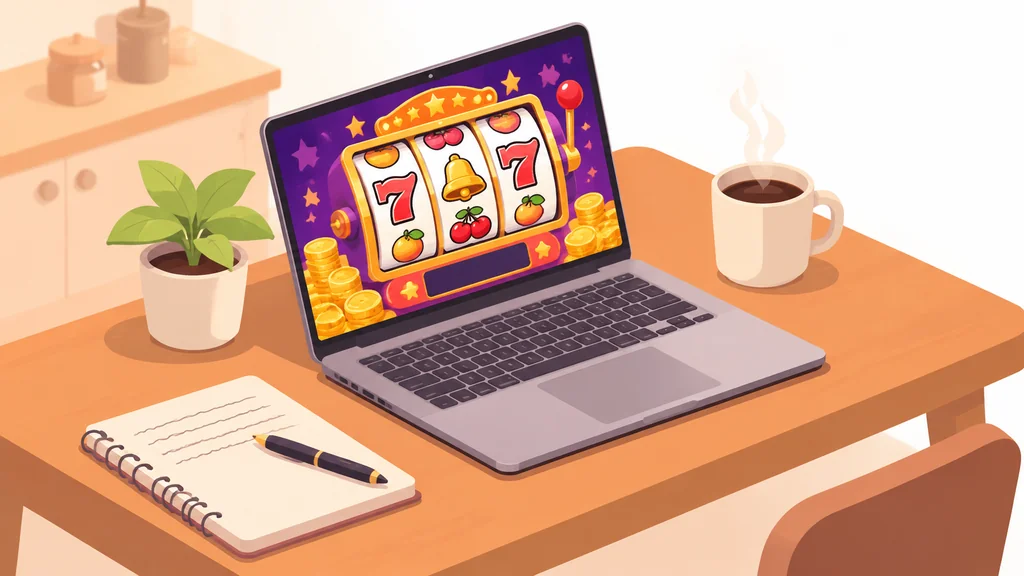
Demo mode is a real test of the game, even if it is not a test of you. Four things come through clearly.
The paytable and its gaps. Open the info panel and read the symbol values, the line structure and the scatter or bonus triggers. A demo session is the right moment to do this slowly, because the paid version tempts you to skip it.
Volatility in practice. Spin a few hundred rounds and watch how the balance moves. A low-volatility slot drifts gently. A high-volatility one sits flat for long stretches and then jumps. You will feel the difference within a session even though the numbers mean nothing statistically.
Bonus mechanics. Free spins, expanding wilds, pick-and-win rounds and multiplier trails all behave in demo exactly as they do for money. If a bonus round confuses you, trigger it in demo first.
Session pacing. Time a demo session. Slot rounds run on a timer set by the studio, and table games wait for you. Knowing whether a game moves fast or slow tells you something about how much attention it will demand.
What demo will not tell you is the return to player over your lifetime, because a few hundred spins cannot resolve a house edge. It also will not tell you whether the game is “due” for a win. Nothing is due. Each spin is independent.
How to Run a Demo Session Properly
Treat free play as a structured test rather than a warm-up. The steps below take about half an hour and give you a real read on the game.
- Pick one game and one only. Switching between five demos teaches you nothing about any of them.
- Open the paytable and the rules panel before your first spin. Note the top symbol, the wild behaviour and how the bonus triggers.
- Set a round count in advance, say two hundred spins, and stick to it.
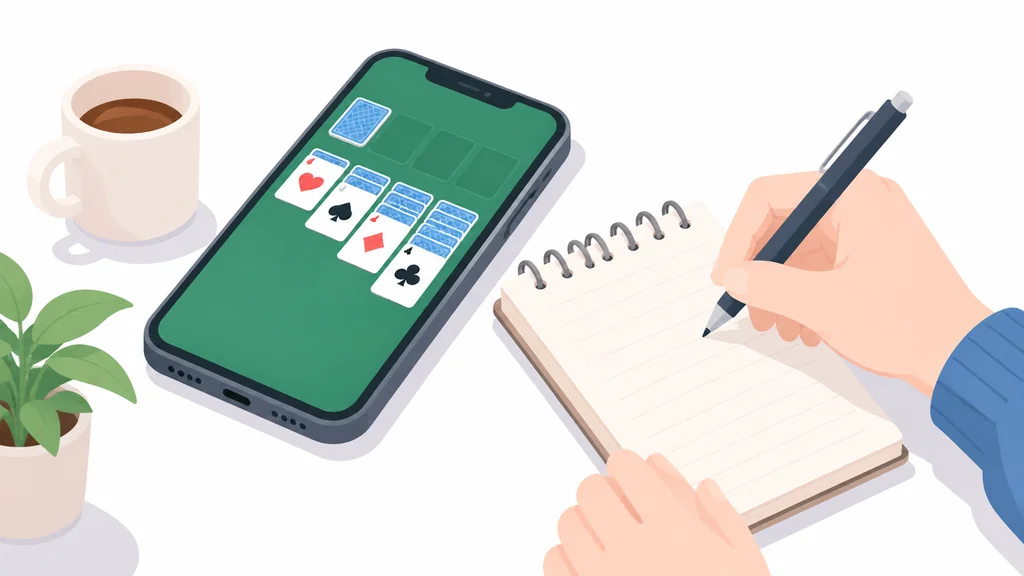
- Record the starting balance, the lowest point and the highest point on paper or in a notes app.
- Trigger the bonus round at least once, even if you have to keep spinning to reach it.
- Try the same game on a second device if you plan to play on mobile, since layouts differ.
- Close the session and write one sentence about whether the game suited you. If you cannot, the test was too short.
The recorded balance swing is the most useful note you will take. It gives you a rough feel for variance that no description can convey, and it costs nothing to produce.
Where Demo Mode Stops Being Useful
Free play has a hard ceiling, and it sits exactly where money enters the picture.
The first limit is emotional. A player who shrugs off a long losing run in demo may find the same run unbearable when each spin costs real credits. Demo cannot simulate that, and no amount of free spinning will prepare you for it.
The second limit is bonus terms. Demo credits are not bonus money, so the wagering, expiry and forfeiture rules that apply to a real offer never appear in free play. If you are weighing an offer, read the terms directly, and this breakdown of casino bonus expiry rules covers the deadlines and forfeiture clauses worth checking first.
The third limit is the account layer. Deposits, withdrawals, verification and payment methods all sit outside the demo build. A game that plays beautifully in free mode may sit on a platform whose banking you dislike.
The fourth is jurisdiction. Rules on what a demo may show, and on what a licensed site must display alongside it, differ between markets. Check your local rules rather than assuming the free version you found is regulated the same way as the paid one.
Demo Mode and the Rest of the Platform
A demo tells you about a game. It tells you nothing about the site hosting it, and the site is where most of the friction lives.
Payment methods, withdrawal speeds, support response and mobile performance are all platform questions. So is the question of whether the operator runs sports betting alongside the casino, which changes the app layout and the notification load. If that matters to you, this look at hybrid casino and sportsbook platforms for Canadians covers how the two products sit together.
One practical habit helps here. Play the demo on the exact device and browser you intend to use for real play. A slot that runs smoothly on a desktop browser can stutter on an older phone, and you want to discover that before a deposit rather than after.
Common Mistakes With Free Play
Chasing a pattern. Demo sessions produce streaks, and streaks invite theories. A run of dead spins in free play says nothing about the next spin in paid play. The generator has no memory.
Treating demo results as a forecast. A hot demo session is not evidence the game will pay. A cold one is not evidence it will not. Both are noise.
Skipping the rules panel. The paytable is the only part of the game that tells you the truth in plain language. Read it in demo, where nothing is rushing you.
Using demo to test a bonus. Free credits and bonus credits are different instruments with different conditions. Test the game in demo, then read the bonus terms separately.
Ignoring session length. Demo makes long sessions easy because nothing drains. That habit can carry over. Set a time limit in free play too, so the pattern is established before it costs anything.

When to Skip Demo and Read the Terms Instead
Demo is the wrong tool when your real question is about money rather than mechanics.
If you are comparing welcome offers, the useful document is the terms page, not the game. Wagering contributions, game weighting and expiry windows decide what an offer is worth, and none of that appears in free play. The same applies to loyalty schemes, where the value sits in the programme rules.
If you are checking whether a site is suitable for you at all, look at licensing information, banking pages and support channels. A demo build will not tell you whether withdrawals clear in a day or a week.
If you have already decided to play and you know the game, skip the demo. Spinning free rounds you do not need is just time spent.
Casino Demo Mode FAQ
Is demo mode the same game as the real-money version?
Yes, in almost every case. The reels, the random number generator and the paytable are the same build. Only the credit source differs, which is why demo results tell you about the game’s mechanics and nothing about your future results.
Can I win real money in demo mode?
No. Demo credits are virtual and cannot be withdrawn. Any build that offers to convert demo winnings into cash is worth treating with suspicion, and you should check the operator’s licence before going further.
Does a good demo session mean the game will pay?
It does not. Each spin is independent, and a short session cannot resolve a house edge either way. Use demo to learn the paytable and feel the volatility, then decide on other grounds.
Why do some games have no demo version?
Studios and operators choose which titles to publish in free play, and some table games and live-dealer products are paid-only because they need a real dealer or a real table. If a demo is missing, read the paytable and the rules panel on the paid game before you spin.
How long should a demo session last?
Long enough to trigger the bonus round and see a few hundred spins, which is usually half an hour or so. Beyond that you are repeating what you already learned. Stop when the notes stop changing.